
How to Read Artisan Furniture Maker Reviews
A five-star rating is encouraging. It is not, by itself, proof that a custom dining table will sit level on an old hardwood floor, that a walnut countertop will be finished for real kitchen use, or that a cabinet maker will keep you informed when your project changes. Artisan furniture maker reviews are most useful when you read beyond the star count and look for evidence of how a shop actually works.
A commissioned piece is personal. It may be the table where your family gathers, the vanity that finally makes an awkward bathroom function, or the built-in that gives a room its character. The right woodworker should bring more than a beautiful portfolio. They should bring sound construction, material knowledge, clear communication, and the ability to turn your ideas into a finished piece that belongs in your home.
What Strong Artisan Furniture Maker Reviews Reveal
The most helpful reviews describe a project, not just a pleasant transaction. Look for details about what was made, the problem it solved, and how the piece performed after installation. A review that says a maker built a live-edge island to fit an unusual kitchen footprint tells you far more than “great work.”
Pay close attention to comments about listening. Custom woodworking begins with decisions: dimensions, wood species, edge profiles, finish color, hardware, storage needs, and how the piece will be used every day. When customers mention that a maker asked thoughtful questions and offered practical recommendations, it usually signals a collaborative design process rather than an order-taking process.
Reviews can also show whether the shop understands the difference between a beautiful piece and a usable one. For example, a homeowner may praise a dining table’s smooth finish, but a stronger review explains that the base allows comfortable seating, the top was sized for the room, and the finish stands up to family meals. Those details point to a maker who designs around real life.
Look for the materials in the story
Hardwood is not one category. Walnut, white oak, maple, cherry, hickory, ash, and elm each have different grain patterns, hardness, movement, and color. Reviews that mention material selection can tell you whether a woodworker guided the customer toward a species that matched the project.
A wide-plank walnut bar top may be a perfect fit for a warm, dramatic entertaining space. Maple may make more sense for a bright, durable work surface. White oak can bring texture and quiet strength to cabinetry and built-ins. There is no single best wood. The right choice depends on the room, the desired appearance, the expected wear, and the finish system.
Be cautious of reviews that celebrate a low price without mentioning materials or construction. Custom work should be priced according to the lumber, design complexity, joinery, finishing, hardware, labor, and installation involved. A lower quote can be appropriate for a simpler project, but it should not come from shortcuts that only become visible after a few seasons of use.
How to Read Reviews for Custom Woodworking Projects
Start by finding projects similar to yours. If you are planning kitchen cabinetry or a large countertop, reviews for small cutting boards will not answer the questions that matter most. If you need a custom conference table, seek feedback from clients who worked with the shop on substantial furniture, commercial millwork, or installation-sensitive pieces.
This does not mean a maker must have completed your exact design before. A capable custom shop should be able to execute new ideas. Still, reviews should demonstrate experience with comparable scale, tolerances, and materials. A shop that has built large tables, kitchen islands, bartops, and architectural millwork is more likely to understand the planning behind a complex residential or commercial project.
Timing deserves a close read as well. Lumber needs to be selected, milled, joined, sanded, fabricated, finished, cured, and sometimes installed around other trades. A well-run shop will give a realistic schedule and communicate when a decision, site condition, or design change affects it.
Positive reviews often mention responsiveness, accurate expectations, and delivery that happened when promised. Those are not minor service details. They are signs that the maker respects your home, your renovation schedule, and the investment you are making.
Notice how the maker handles the unexpected
The best reviews are sometimes the ones that describe a challenge. Perhaps a wall was not square, an existing floor had a noticeable slope, a contractor needed a revised dimension, or a customer changed a finish preference before production began. Custom projects involve variables, especially in older homes and active remodels.
What matters is not whether every project is free of surprises. It is whether the shop communicates clearly, presents workable options, and follows through. A maker who responds thoughtfully when conditions change is far more valuable than one who promises everything without asking enough questions upfront.
Questions Reviews Cannot Answer for You
Reviews are a starting point, not a substitute for a conversation. Even an excellent shop may not be the right fit if its design approach, lead time, or project focus does not match your needs. Before commissioning a piece, ask how the shop approaches your specific project.
You should understand what is included in the quote, from design consultation and material selection to finishing, delivery, and installation. Ask what wood species are available and whether you can see samples. If your project includes a countertop, bartop, or bathroom vanity, ask how the finish will perform around moisture, heat, and daily cleaning.
Construction questions are equally worthwhile. A solid-wood tabletop naturally expands and contracts with seasonal humidity. That movement must be allowed for in the way the top connects to its base. Cabinet doors need consistent reveals, durable hardware, and a finish suited to their location. A live-edge slab needs careful evaluation for moisture content, stability, and structural character before it becomes furniture.
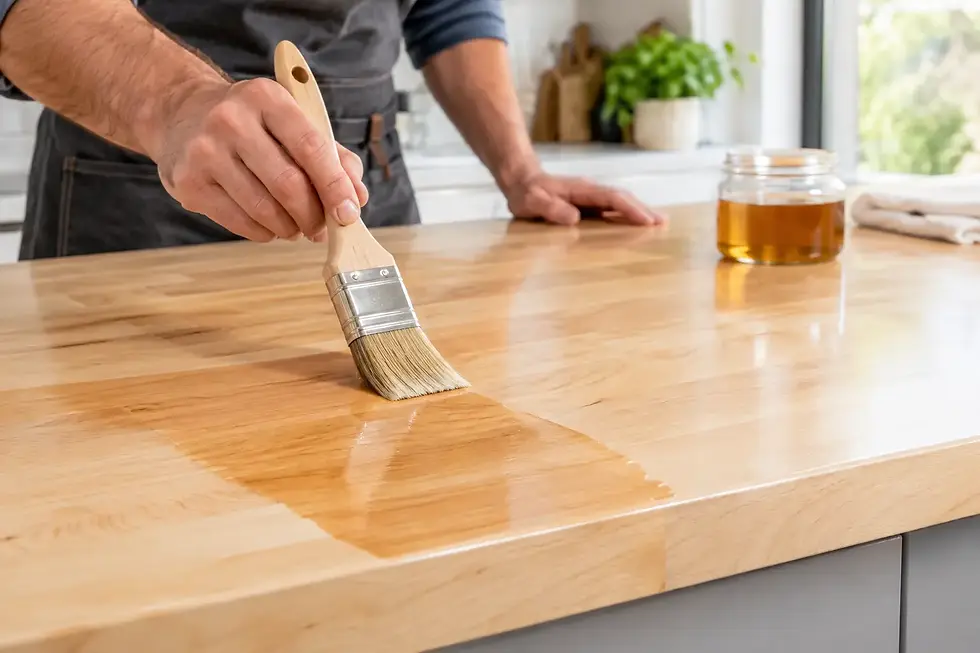
You do not need to become a woodworker to ask good questions. A skilled craftsperson should be able to explain the options in plain language, including the trade-offs. A natural oil finish may offer a warm, tactile look and straightforward repairability, while a higher-build protective finish may provide greater resistance to spills and wear. The right answer depends on how you live with the piece.
The Difference Between a Portfolio and Proof
Beautiful photographs matter. They show a shop’s eye for proportion, grain selection, color, and detail. But reviews provide the other half of the picture: whether the piece arrived as promised, fit the space, and made the client feel heard throughout the process.
When you compare artisan furniture maker reviews, look for a pattern across multiple clients. One person may be especially enthusiastic or especially difficult to please. A consistent record of craftsmanship, respect, problem-solving, and communication is more meaningful than any single comment.
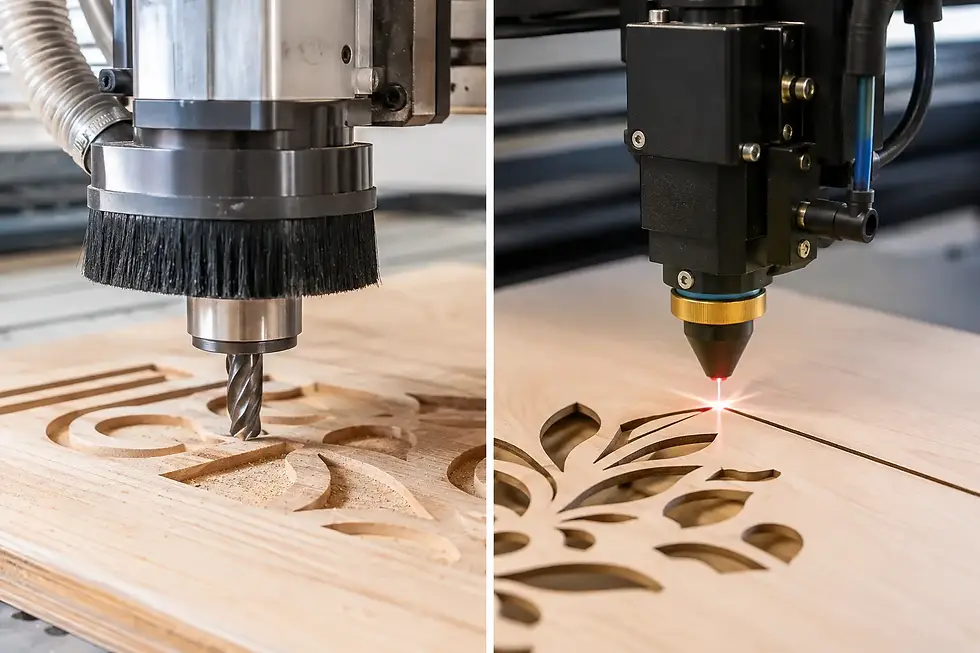
It is also smart to consider the scope of the shop behind the reviews. A true custom woodworking partner should be able to move from raw lumber to precision fabrication and professional finishing while maintaining control over the details. For larger work, shop capacity matters. Equipment for flattening slabs, milling lumber, sanding wide panels, and producing accurate components can support better consistency without taking the hand-built character out of the work.
At Bull Valley Custom Woodworks, we believe the most meaningful feedback is not simply that a project looked good on installation day. It is that the piece fits the home, works for the people using it, and continues to bring character to the space years later.
A review can help you narrow the field, but your final choice should feel personal. Bring your measurements, inspiration, questions, and everyday needs to the conversation. The right maker will see more than a furniture request. They will see the room, the purpose, and the possibility of creating something made specifically for you.
Comments