
Custom Woodworking Services Illinois Homeowners Trust
- dandeserto
- Aug 2
- 6 min read
A kitchen island that leaves too little room to walk around, a stair rail that never feels solid in your hand, a dining table that is either too large or too small - these are not small frustrations. They are daily reminders that a space was built around standard options instead of the people living in it. Custom woodworking services Illinois homeowners choose give those details the attention they deserve, turning difficult dimensions, specific needs, and personal taste into woodwork made for the room.
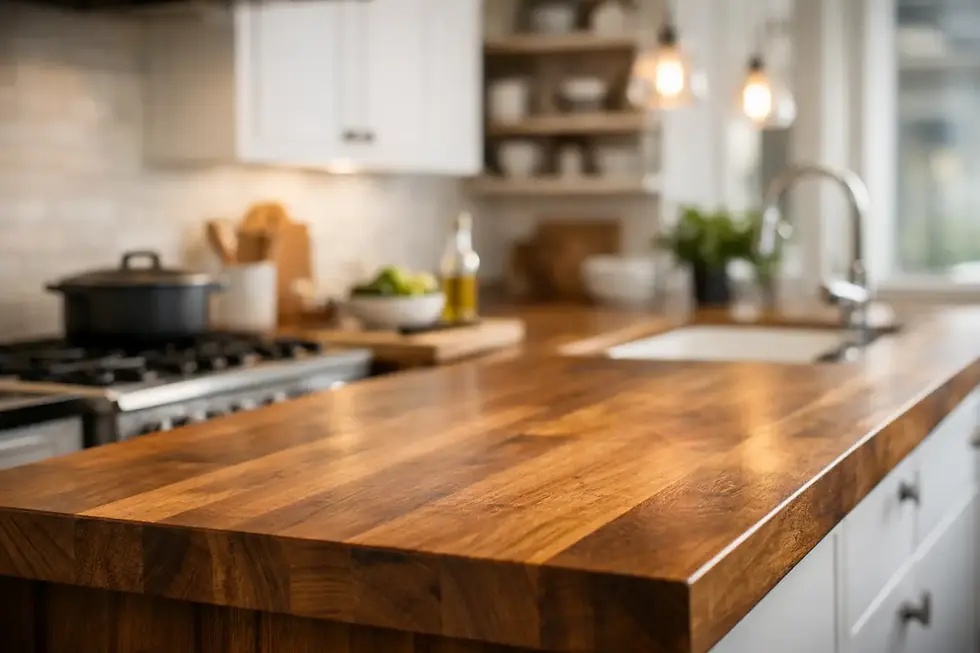
At Bull Valley Custom Woodworks, we start with the idea behind the piece and work all the way back to the lumber. Whether you are planning a walnut countertop, a built-in cabinet wall, a live-edge table, or a complete set of architectural millwork, the goal is not simply to fill a space. It is to create something that belongs there.
Why Custom Woodwork Changes a Room
Stock furniture and standard cabinetry solve a basic problem: they provide a fast, predictable product at a familiar price point. For many rooms, that may be enough. But standard sizes, limited finishes, and repeated designs can become obvious when a home has unusual corners, older walls, a narrow footprint, or a clear visual direction.
Custom work begins where those limitations end. A cabinet can be sized around a radiator, an existing window, or an awkward ceiling angle. A bar top can be built for the number of people you actually entertain. A media console can conceal equipment while leaving room for ventilation and service access. A table can be designed around the chairs you love, the family gatherings you host, and the pathway people need to move through the room.
The difference is especially visible in hardwood. Grain, color, texture, and edge detail bring a depth that printed wood-look surfaces cannot reproduce. White oak can feel clean and tailored. Walnut brings rich contrast and warmth. Maple offers a lighter, refined look, while hickory and elm carry more visual movement. With access to more than 70 hardwood species, we can help match the character of the wood to the character of the home.
Custom Woodworking Services in Illinois Start With Real Questions
A strong project does not start with a species name or a photo saved online. It starts with how the piece needs to work. Before fabrication, we consider the room, the measurements, the use case, and the finish expectations. That conversation prevents common disappointments, such as a countertop that is beautiful but poorly protected for its intended use or cabinetry that looks right in a drawing but lacks practical storage.
For a family kitchen, that might mean deciding whether a hardwax oil finish or a more protective commercial-grade finish better fits the household's cooking habits. For a dining table, it may mean discussing how often it will be expanded, moved, or used by children. For a commercial bartop, durability, cleaning routines, and traffic matter as much as the species and color.
This is also when details become intentional. Do you want a crisp square edge, a softened profile, a substantial eased edge, or the organic contour of a live edge? Should the wood grain run continuously across cabinet fronts? Do you need integrated cable management, hidden brackets, accessible panels, adjustable shelving, or a specific clearance beneath a countertop? Good custom work accounts for these questions before the first board is cut.
From Raw Lumber to Finished Piece
There is a meaningful difference between selecting a finished product from a catalog and working with a shop that can process lumber, fabricate components, and finish the final piece under one roof. Material decisions can be made with the project in mind rather than forced around what happens to be available in a preset line.
Our process begins by choosing lumber for color, grain pattern, stability, and the demands of the project. Boards are milled, joined, shaped, sanded, assembled, and professionally finished with close attention at every stage. For larger slabs, flattening is essential before a top can become a table, island, or desk. For millwork and repeated components, precision equipment helps us hold consistent dimensions while handwork brings the final character into focus.
That combination matters. CNC and laser services can produce accurate, repeatable parts and fine custom details. Widebelt sanding, planing, resawing, and slab flattening expand what can be fabricated efficiently. Yet machinery does not replace judgment. It supports it. Wood still moves with changes in humidity, grain direction still affects machining, and every board still needs to be evaluated for how it will perform in the finished project.
Where Custom Work Makes the Biggest Difference
Some projects benefit from customization more than others because the relationship between fit, function, and appearance is impossible to ignore. Kitchens and bathrooms are leading examples. Cabinetry, countertops, floating shelves, vanities, and trim all need to work together in rooms packed with appliances, plumbing, outlets, and daily activity.
Built-ins are another strong fit. A bookcase surrounding a fireplace, a mudroom drop zone, a window seat, or a storage wall can turn overlooked square footage into a useful part of the home. Rather than forcing furniture into a recess, custom millwork can make that recess feel planned from the beginning.
Tables, bed frames, benches, and desks bring the same value on a more personal scale. These are pieces people touch, lean on, gather around, and use for years. Their proportions matter. So does the way the base meets the top, the feel of the edges, and the confidence that the joinery is made for long-term use rather than short-term convenience.
For contractors, remodelers, architects, and commercial teams, specification-driven millwork can be equally valuable. A reliable fabrication partner helps carry a design from drawing to installed components with clear communication about material choices, lead times, fabrication realities, and finish requirements. That is particularly important when a project includes multiple matching elements or demands precision across a larger scope.
Choosing Wood and Finishes for Illinois Homes
Illinois weather asks a lot of wood. Seasonal swings in indoor humidity can affect solid hardwood, particularly wide panels and slab pieces. That does not make hardwood a poor choice. It means the construction method needs to respect how wood naturally expands and contracts.
A well-made tabletop allows for movement rather than trapping it. Cabinet components, countertop installation methods, and wood-to-metal connections should be designed with the same awareness. This is one reason material knowledge is more than an aesthetic advantage. The right species and joinery approach can help a piece remain stable and beautiful through years of changing seasons.
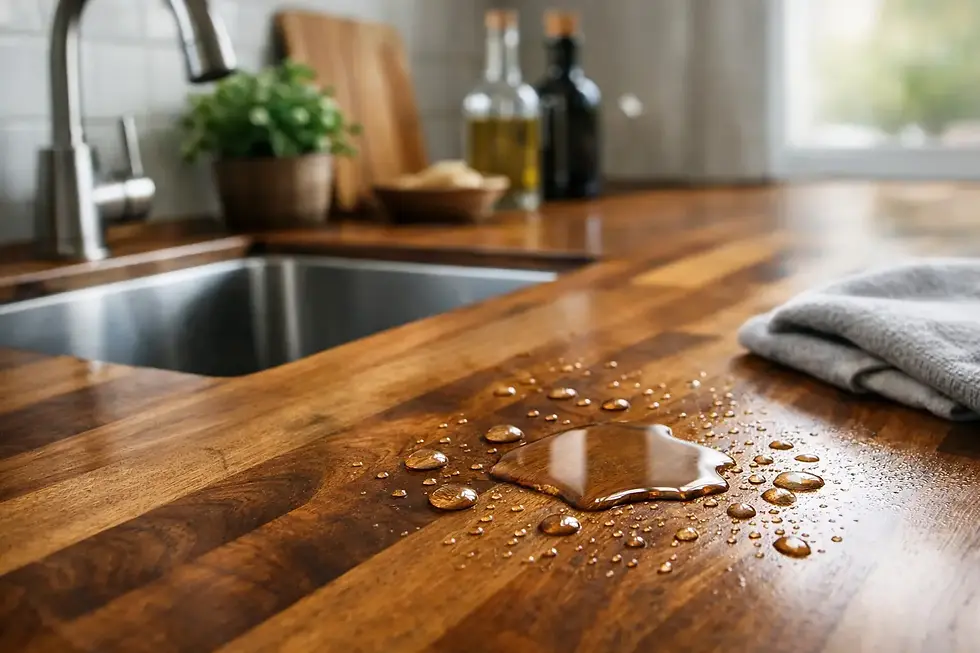
Finish selection should be honest about how the piece will live. A natural-looking finish can preserve the tactile feel of the wood but may require more routine care. A more protective finish can better handle water, spills, and frequent cleaning, though it may create a different sheen or surface feel. Neither choice is universally better. The right answer depends on whether the project is a quiet display cabinet, a busy kitchen island, a restaurant bartop, or a bathroom vanity.
How to Prepare for a Custom Woodworking Project
You do not need a complete set of drawings to begin. A few room photos, rough measurements, inspiration images, and a description of how you want to use the finished piece are often enough for an initial conversation. If the project connects to other trades, such as electrical, plumbing, stone, flooring, or installation, bringing those details forward early helps avoid costly revisions later.
It also helps to identify what is nonnegotiable. Maybe it is the warmth of walnut, a specific seating capacity, a stain match, accessible storage, or a deadline tied to a renovation schedule. Knowing the priorities lets us offer practical guidance when trade-offs appear. A single wide slab may be the visual centerpiece you want, while a carefully matched glued-up top may be a better choice for budget, stability, or availability. Both can be exceptional when selected for the right reason.
The most successful projects leave room for craft while staying clear about function, budget, and timing. We bring technical capability and hands-on experience to the work, but the finished piece should still feel like your idea made real. If you can imagine a room with more purpose, better proportions, and the lasting presence of real hardwood, schedule an appointment and let us help shape the details.

Comments